Tired of Being a Landlord? Here’s Why Now Might Be the Perfect Time to Sell Your Rental Property
November 19, 2025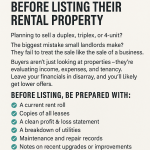
The Biggest Mistake Small Landlords Make Before Listing Their Rental Property
December 7, 2025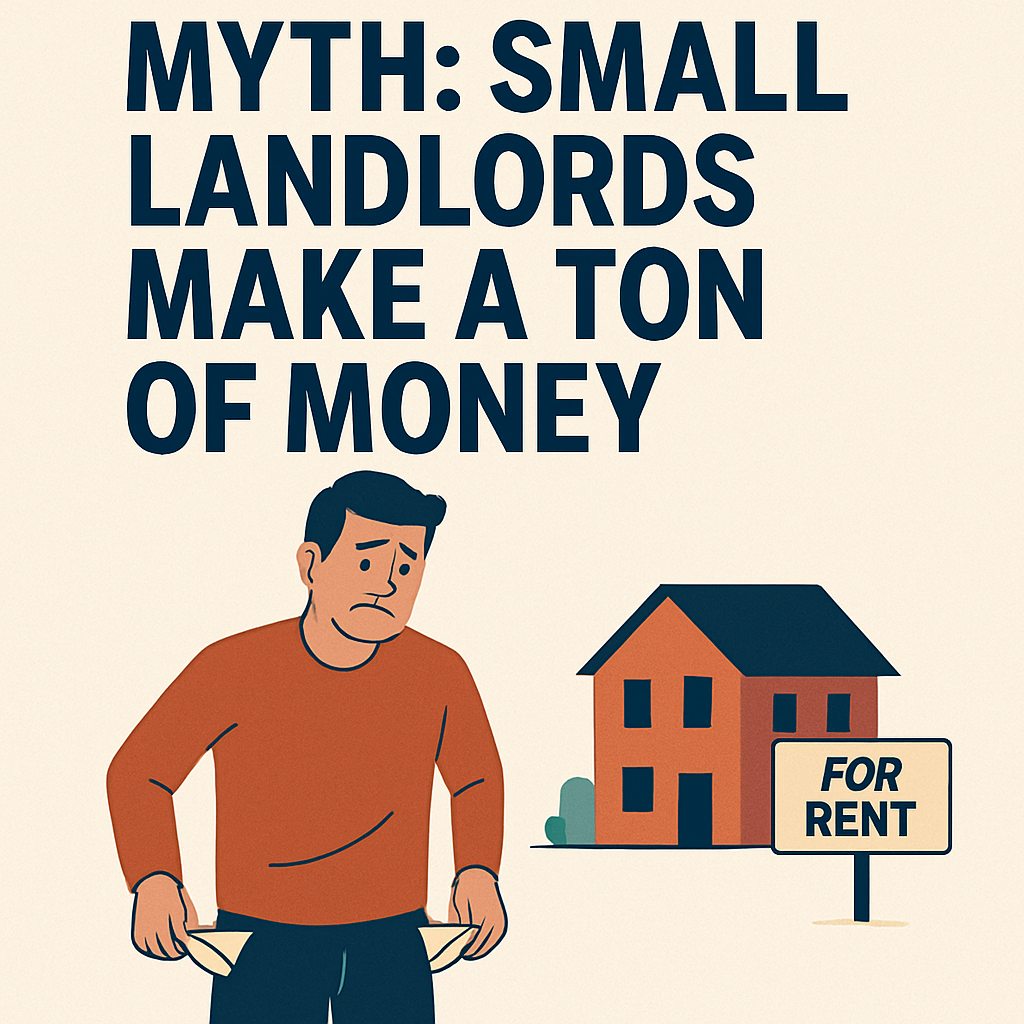
 There’s a common belief floating around social media and neighborhood conversations that small landlords are sitting on piles of cash — collecting rent, relaxing on the weekends, and watching their properties magically appreciate.
But if you’ve ever owned a duplex, triplex, quad, or even a small 8-unit building, you know the truth: being a small landlord is work. It’s a business with real risks, real expenses, and real stress.
Let’s break down why the “rich landlord” myth simply doesn’t match reality — especially in markets like Cincinnati, where most rental properties are owned by everyday people, not big corporations.
1. Most Small Landlords Own Just One or Two Properties
National data shows that the vast majority of landlords own fewer than five rental units — often one.
These aren’t hedge funds. They’re teachers, nurses, first-generation investors, retirees, or families trying to build long-term stability.
For many, that rental income isn’t cash flow — it’s reserved for repairs, rising property taxes, turnover
costs, and emergency maintenance. What’s left over is usually modest.
2. High Expenses Eat Profit Fast
Even when the property is fully occupied, here are the biggest silent profit-killers:
-
Property taxes (Hamilton County increases hit small landlords hard)
-
Insurance premiums
-
Maintenance & repairs
-
CapEx (roofs, furnaces, windows, plumbing)
-
Vacancies
-
Turnovers — a single turnover can cost a landlord $1,500–$3,000
-
Management fees if they hire help
-
Mortgage interest
So that “$1,500 per month in rent” many outsiders imagine?
By the time you subtract everything, the net might be more like $150–$250/month — sometimes less.
3. Cash Flow Isn’t the Only Goal — Stability Is
Small landlords invest for long-term stability.
Sometimes the real payoff comes years later through:
-
Loan paydown
-
Property appreciation
-
Tax benefits
-
1031 exchanges
But monthly cash flow being massive? That’s rarely the case unless the property was bought years ago or fully renovated.
4. Landlords Often Put in Their Own Time — for Free
Most small landlords:
-
Take tenant calls at 9 PM
-
Handle move-outs
-
Clean or paint units themselves
-
Chase late rent
-
Coordinate contractors
-
Drive over for inspections, showings, and repairs
When you factor in their unpaid labor, the “profit” shrinks even more.
5. The Risk Is Real
Small landlords take on financial risks that most people wouldn’t accept:
-
Unexpected repairs
-
Damage by tenants
-
Evictions
-
Market fluctuations
-
Not being paid for months
-
Liability exposure
One big issue — a furnace dying, a sewer backup, a non-paying tenant — can erase months or years of profit.
So… Do Small Landlords Make a Ton of Money?
Most don’t.
Most are hardworking people trying to build some financial security while providing housing to others.
And in markets like Cincinnati — where older housing stock requires constant repairs — the idea that small landlords are getting rich off tenants simply isn’t true.
If You’re a Small Landlord and Feeling the Pressure…
You’re not alone. Many owners today are tired of:
-
Increasing expenses
-
High turnover
-
Maintenance surprises
-
Stressful tenant issues
-
Cash flow that doesn’t match the effort
If you ever want a no-pressure valuation of your duplex, triplex, or 4-unit — or want to compare selling vs. keeping — I’m here to help.
I’ve sold rental property in Greater Cincinnati for over 20 years, and I specialize in helping small landlords make smart decisions.
Call, text, or email anytime — or grab coffee (on me!) to talk about your goals.